

One of the things that has helped me the most in processing experiences and failures, especially in love, has been and always will be books.
Books are like those silent travel companions that stay by your side and offer a hand in the toughest moments. They are true gems.
I’ve cried, I’ve yelled, I’ve learned soooooooo much, I’ve discovered things about myself and the world around me…
What you can find within them, often by chance, is of immeasurable value.
That’s why, in this special edition of today’s newsletter, I want to talk to you about one of my favourite topics: books, more specifically, self-help books.
And what better time than now, when the relentless bombardment from social media, retailers, and other media outlets reminds us that, oh my god, guess what! It’s the month of love. Valentine’s Day. Blah blah blah.
So, I’m taking advantage of the season to bring you something useful, something that will encourage you to explore love and relationships more deeply. If you’ve been looking for the best self-help books to understand love and relationships, you’re in the right place.
Oh, love. It’s messy, thrilling, frustrating, and downright confusing at times. I don’t know if you’re in a long-term relationship, looking for love, or trying to figure out why your last one fell apart, but there’s always more to learn.
Fortunately, some brilliant minds have already done the heavy lifting. Here, I’ve put together a list of the best self-help books to understand love and relationships to date. They unpack the mysteries of love, attachment, communication, and intimacy, so you don’t have to keep making the same mistakes. Let’s see:
1
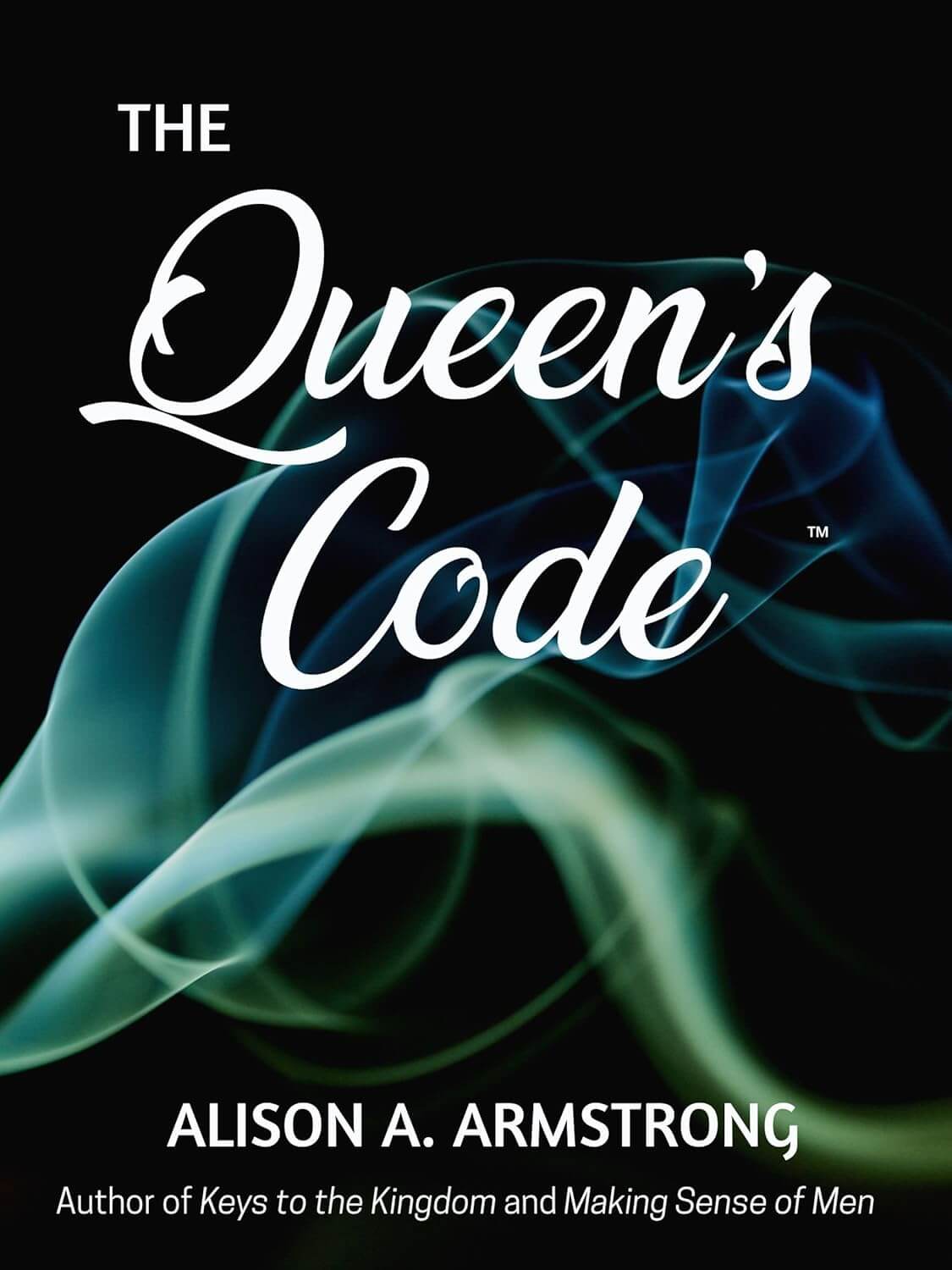
This is a beginner-friendly entry point because it’s written as a romantic novel, not a lecture. The point is simple: stop assuming men run on the same emotional and conversational wiring you do, then acting shocked when the results are predictable. It gives you a different lens on male behaviour, miscommunication, and the unnecessary friction people keep calling “chemistry”.
Read it if: you keep having the same fight in different outfits, and you’d like a translation guide that makes conversations less combative and more effective.
Skip it if: you’re allergic to any gendered framing, or you’re planning to use this to tolerate behaviour that’s simply unacceptable.
Best takeaway: drop the tests and the hints. Say what you want plainly, in a way the other person can actually hear, then watch what changes when you stop performing and start communicating.
2
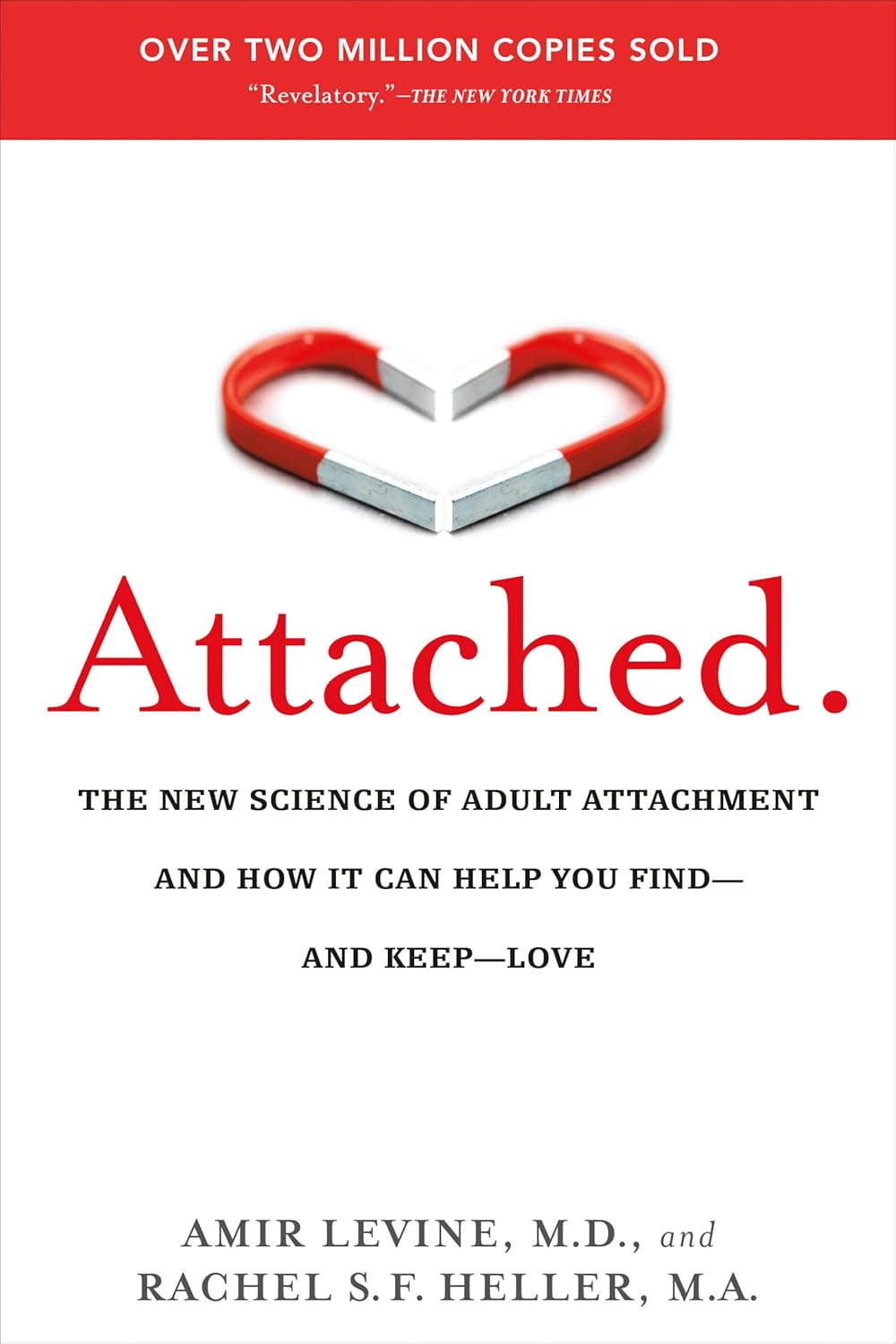
This is the gateway drug to recognising your relationship pattern without turning it into a personality costume. It breaks down adult attachment styles and shows how people build connection, or sabotage it, on autopilot. If your love life is a loop of “come here” and “go away”, this will explain why.
Read it if: your relationships are either a chase or a shutdown, and you call that “chemistry”.
Skip it if: you’re looking for a label to weaponise in arguments. “I’m avoidant” isn’t a get-out-of-accountability card.
Best takeaway: stop choosing partners who fit your wound. Choose behaviours that build security, even when your nervous system throws a tantrum.
3
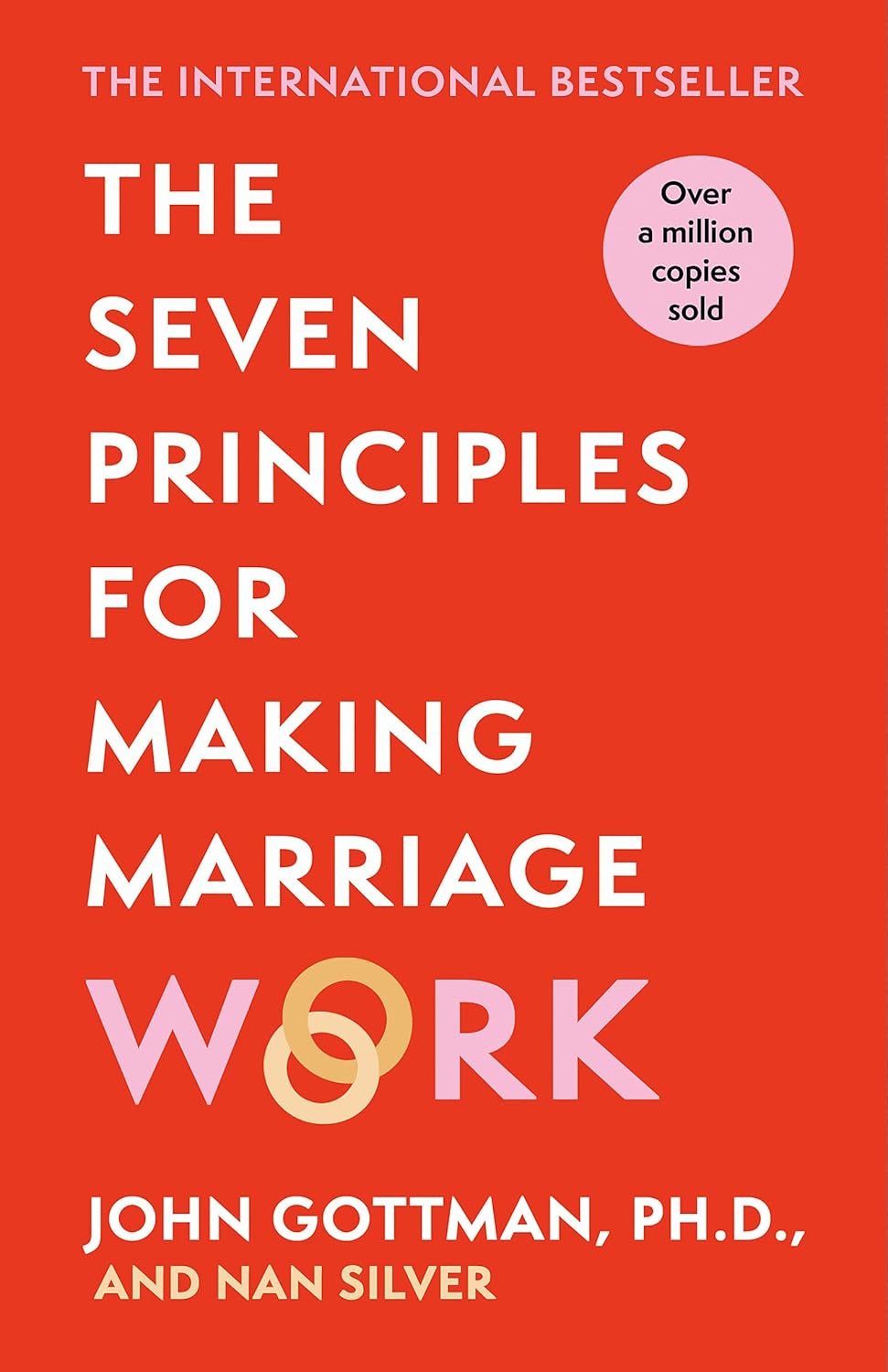
Gottman’s work is basically a field manual for relationships that don’t want to die of slow emotional starvation. It’s practical, research-informed, and brutally clear about what predicts breakdown. The point isn’t to avoid conflict. The point is to stop turning conflict into character assassination.
Read it if: your arguments repeat like a bad TV rerun, and you still act surprised every time.
Skip it if: you want “communication tips” without changing how you behave when you’re triggered.
Best takeaway: learn repair. Not apologies-as-a-performance, repair as a skill that de-escalates, reconnects, and prevents contempt from becoming your default language.
4
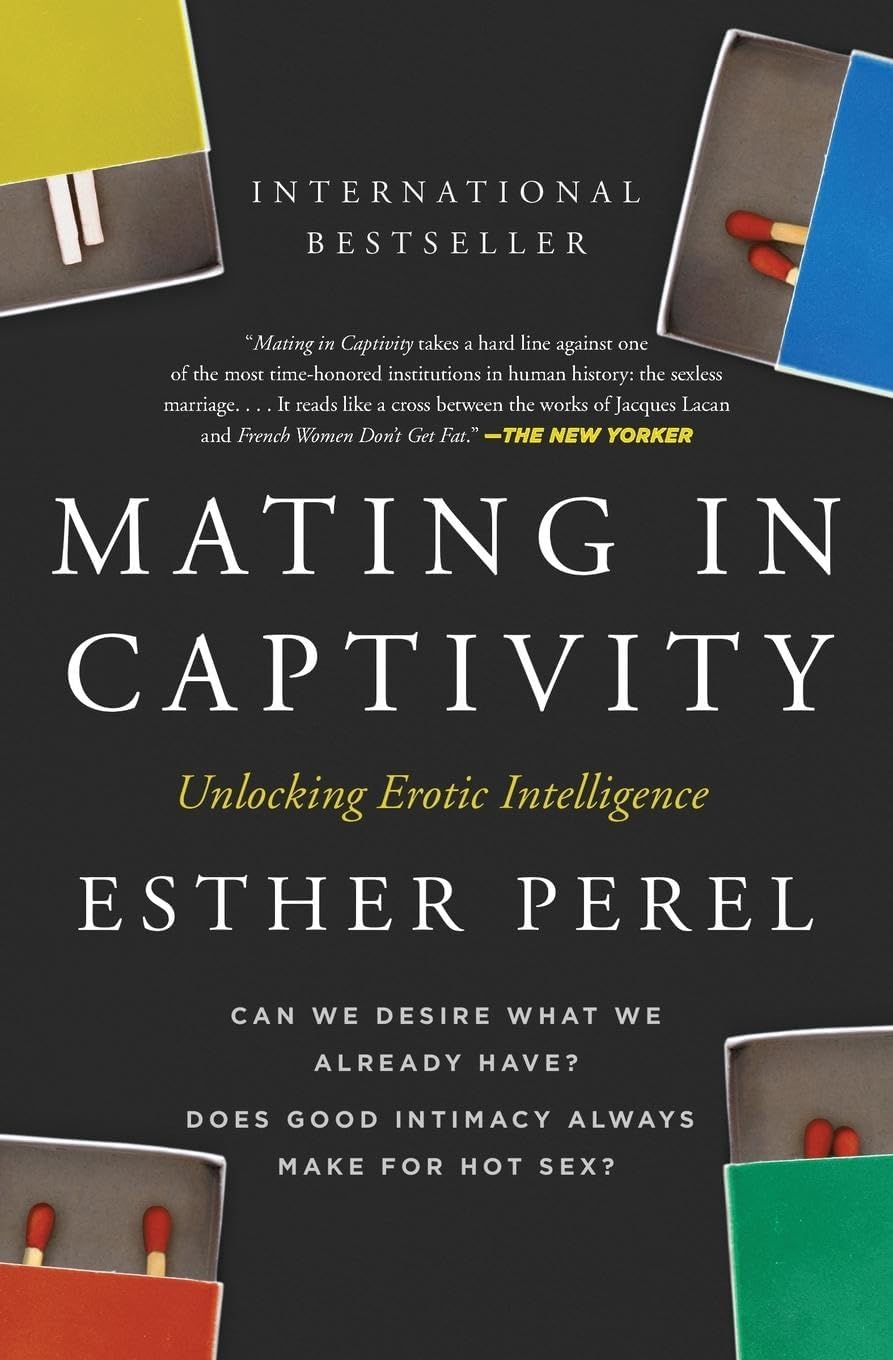
If you think love should automatically stay erotic forever, this book will offend you in the best way. It explores the tension between security and desire, and why the things that create stability can also flatten attraction. It’s not a “spice things up” guide. It’s a reality check.
Read it if: your relationship feels safe, warm, and sexually dead, and you keep pretending that’s normal “maturity”.
Skip it if: you want techniques. This is about psychology, not choreography.
Best takeaway: desire needs space, autonomy, and a self that isn’t swallowed by the relationship. If you’ve fused into one blob, don’t expect sparks.
5
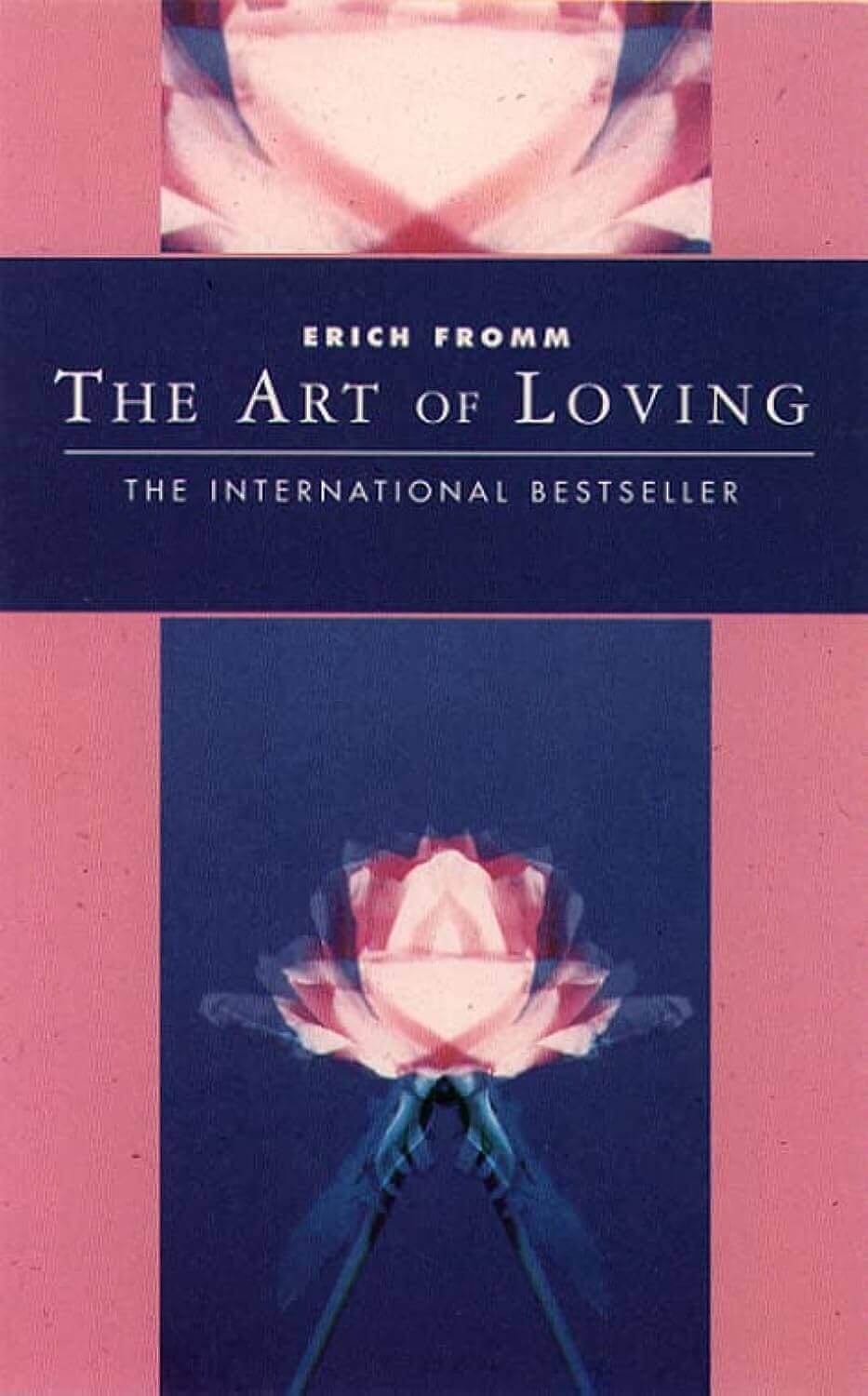
Erich Fromm was a psychoanalyst and social philosopher, and he doesn’t treat love as a feeling you “fall into”, like a feeling. He treats it like a discipline. That means effort, responsibility, and practice. It’s philosophical, sometimes uncomfortable, and completely uninterested in your fantasy that the right person will fix everything.
Read it if: you’re tired of romance content that flatters your delusions.
Skip it if: you need a checklist and instant reassurance. This isn’t here to soothe you.
Best takeaway: love is an action. If it’s only a feeling, it won’t survive boredom, stress, or real life.
6
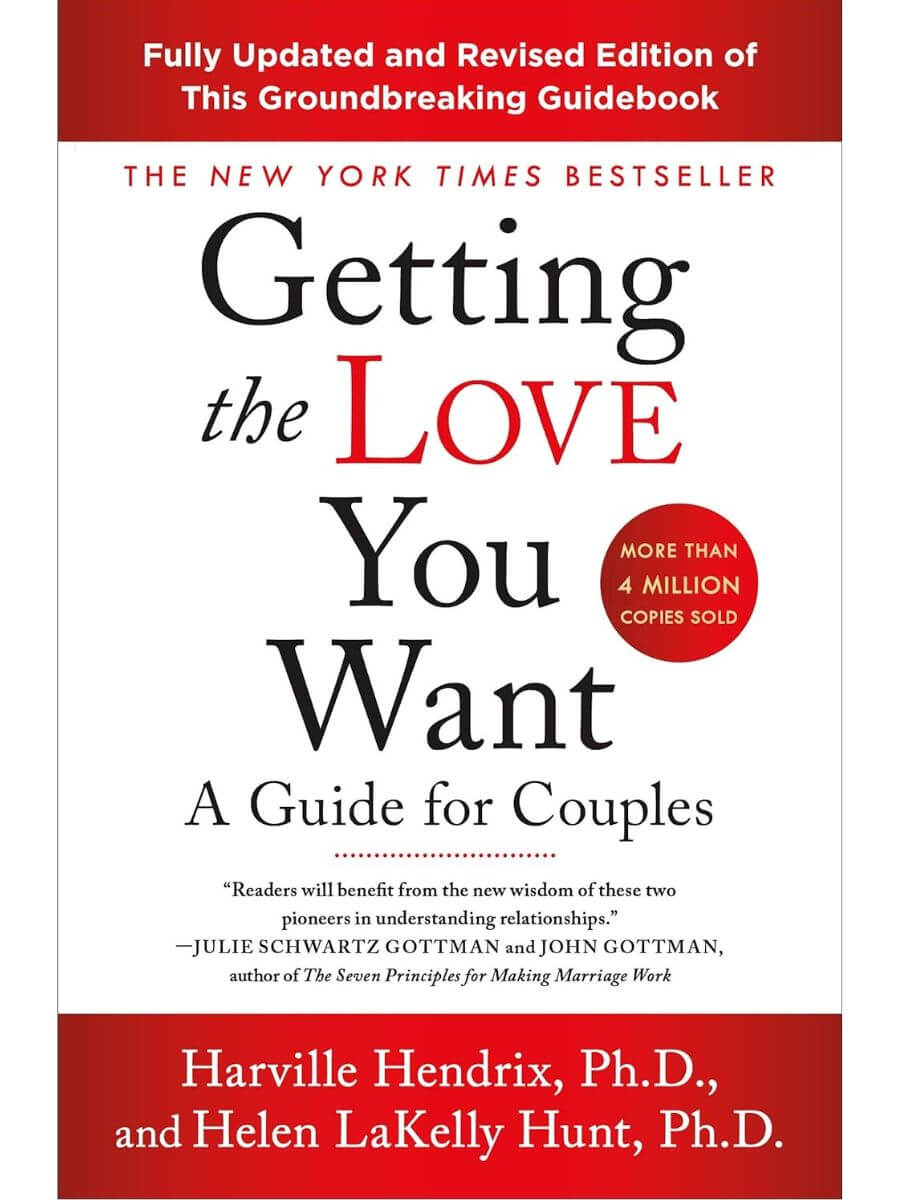
This is for people ready to admit the uncomfortable truth: you don’t “just end up” with certain partners. You’re pulled towards familiar dynamics, including the ones that hurt, because the mind tries to replay what wasn’t resolved. The book gives structure and exercises that help couples communicate without turning every conversation into a courtroom.
Read it if: you keep dating the same person in a different body, and you’re finally embarrassed enough to question it.
Skip it if: you want to blame your childhood and stay exactly the same.
Best takeaway: name what you’re trying to extract from your partner that you never got early on, then ask for it directly instead of protesting, punishing, or withdrawing.
7
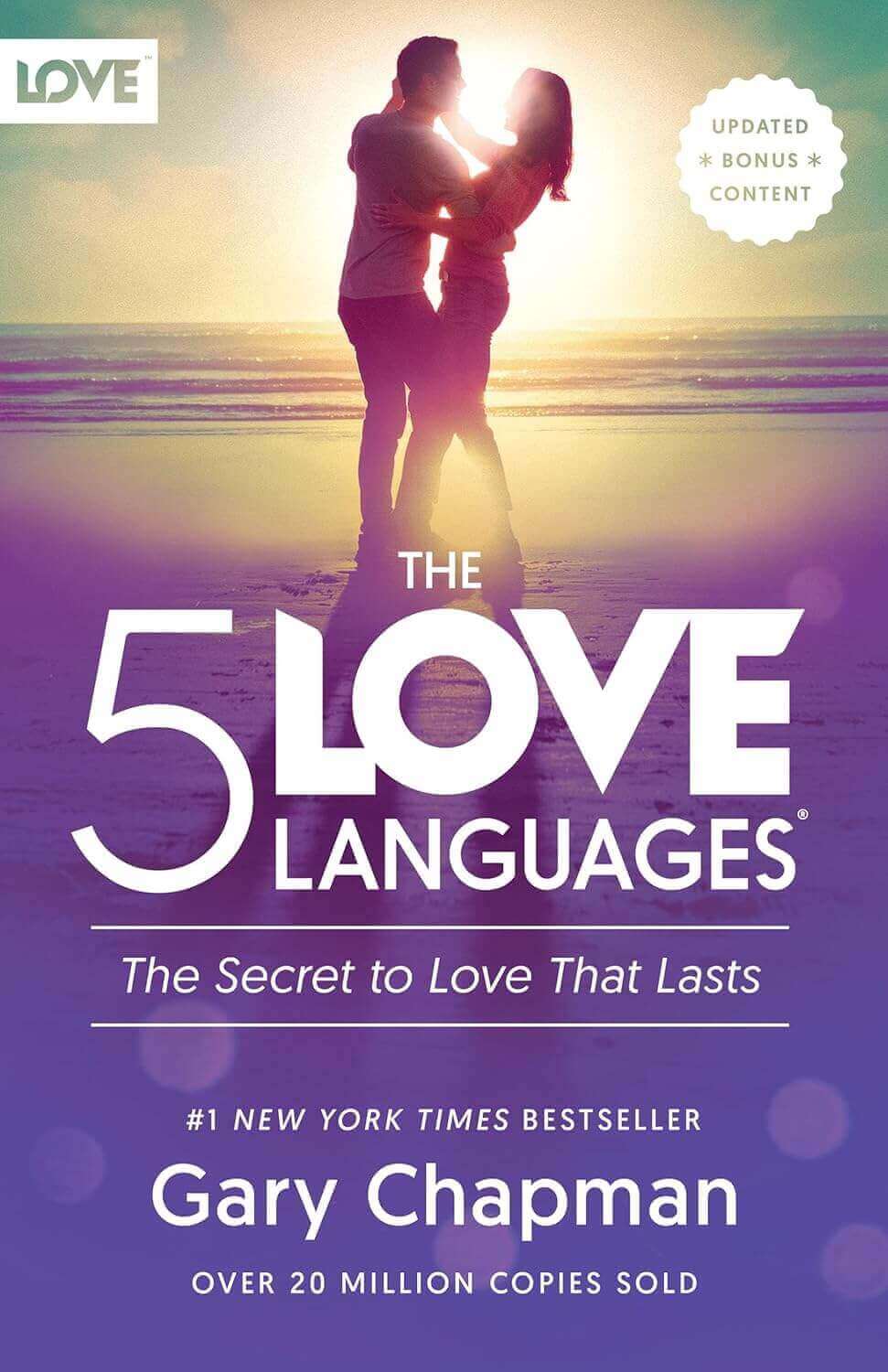
This one’s everywhere because it’s simple and it’s useful, in a limited way. It can reduce pointless friction and help people stop “giving love” in a form the other person doesn’t experience as care. It won’t solve deep conflict, betrayal, or emotional immaturity. It’ll just help you stop missing each other on the basics.
Read it if: you’re doing nice things and still getting resentment in return, and you want to understand the mismatch.
Skip it if: your relationship is unsafe or chronically disrespectful. No language of love fixes that.
Best takeaway: stop guessing what “should” feel loving. Ask what actually lands, then do it consistently, not once as a grand gesture.
8
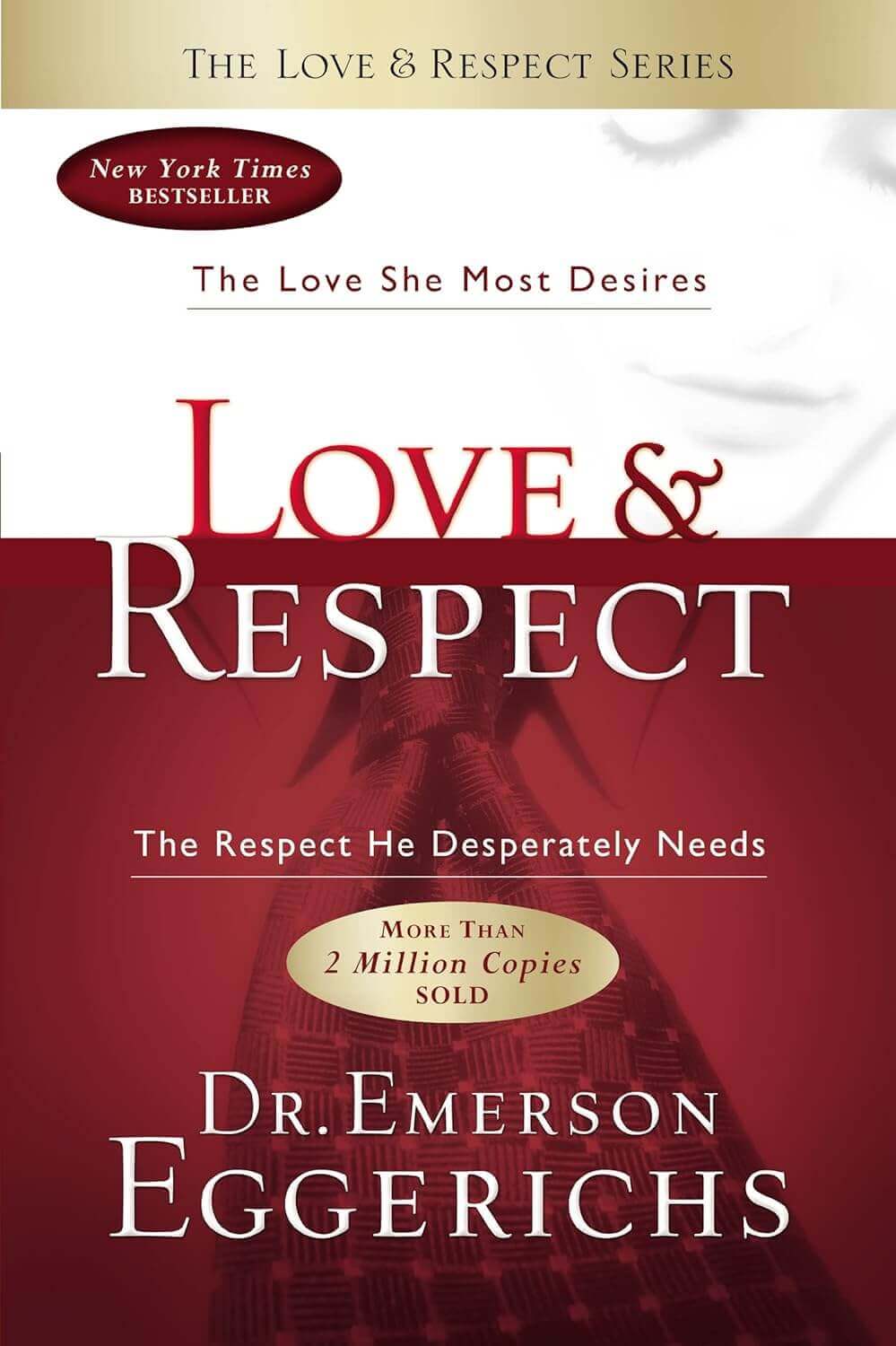
This book argues that many couples get trapped in a predictable loop where one person reacts to feeling unloved, the other reacts to feeling disrespected, and both swear they’re “responding to the other”. The framework can be useful for spotting escalation patterns. Parts of the book lean traditional in ways some people won’t want. Adjust accordingly.
Read it if: your fights escalate fast and both of you keep saying, “That’s not what I meant”, then doing it again next week.
Skip it if: you can’t tolerate gendered framing at all. You’ll spend more time rolling your eyes than learning anything.
Best takeaway: identify your loop and interrupt it with one concrete behaviour change each. Not an intention or a promise. A behaviour.
9
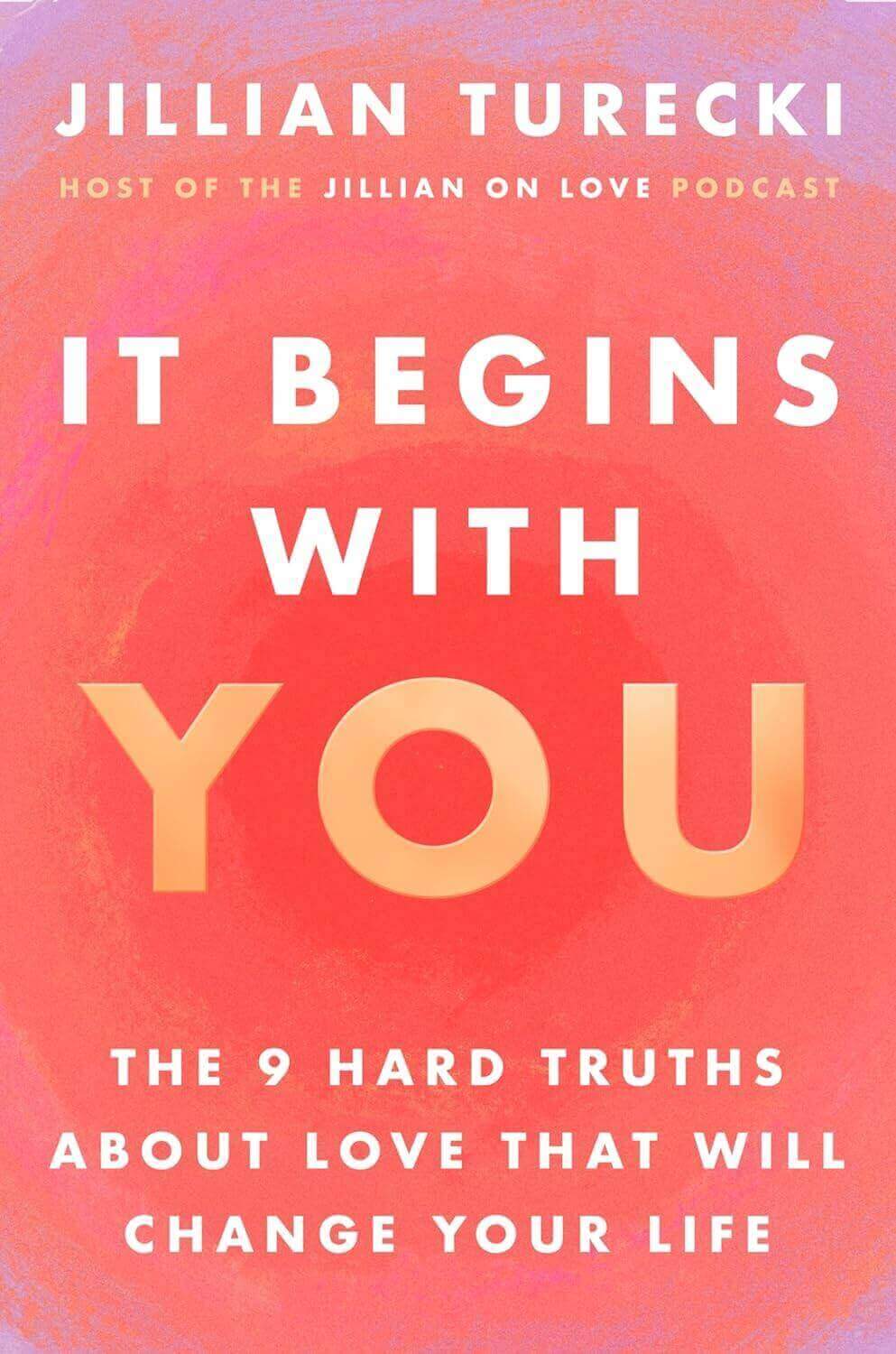
This is about self-awareness and responsibility, the two things most people claim to want and then avoid the second they’re emotionally activated. It pushes you to look at your patterns, your choices, and your tolerance for nonsense. It’s a solid read for people who keep outsourcing their emotional work to the relationship.
Read it if: you keep repeating the same dynamic and calling it “bad luck”, “timing”, or “the wrong people”.
Skip it if: you want to be told you’re flawless and your exes were all villains.
Best takeaway: name the behaviour you repeat under stress, then set one boundary that protects your self-respect, even if it costs you attention.
Understanding your attachment patterns is only the beginning
Recognising why you chase unavailable people, panic when someone pulls away or shut down when intimacy deepens can bring clarity. But insight alone won’t stop the same pattern from taking over your next relationship.
Inside Gangatu’s email list, you’ll find psychologically grounded content to help you understand what drives your choices, recognise the patterns you keep repeating and make clearer decisions before another relationship follows the same script.
Join the email list to go beyond attachment labels and understand the unknown forces influencing how you love, depend, withdraw, avoid and choose.
Get instant access here: