the 6 best books on goal setting and achieving your goals

If you’re reading this with a fresh set of “this year I will” intentions, good. Now comes the part that actually matters.
Goals don’t fail because you’re lazy (allegedly), they fail because there’s no strategy, no trade-offs, and no feedback loop. The six books below are for turning a goal into something real and tangible: a plan you can execute under pressure, and a way to measure progress without lying to yourself.
They’re not habit books, fuggedaboutit! They’re execution books.
1
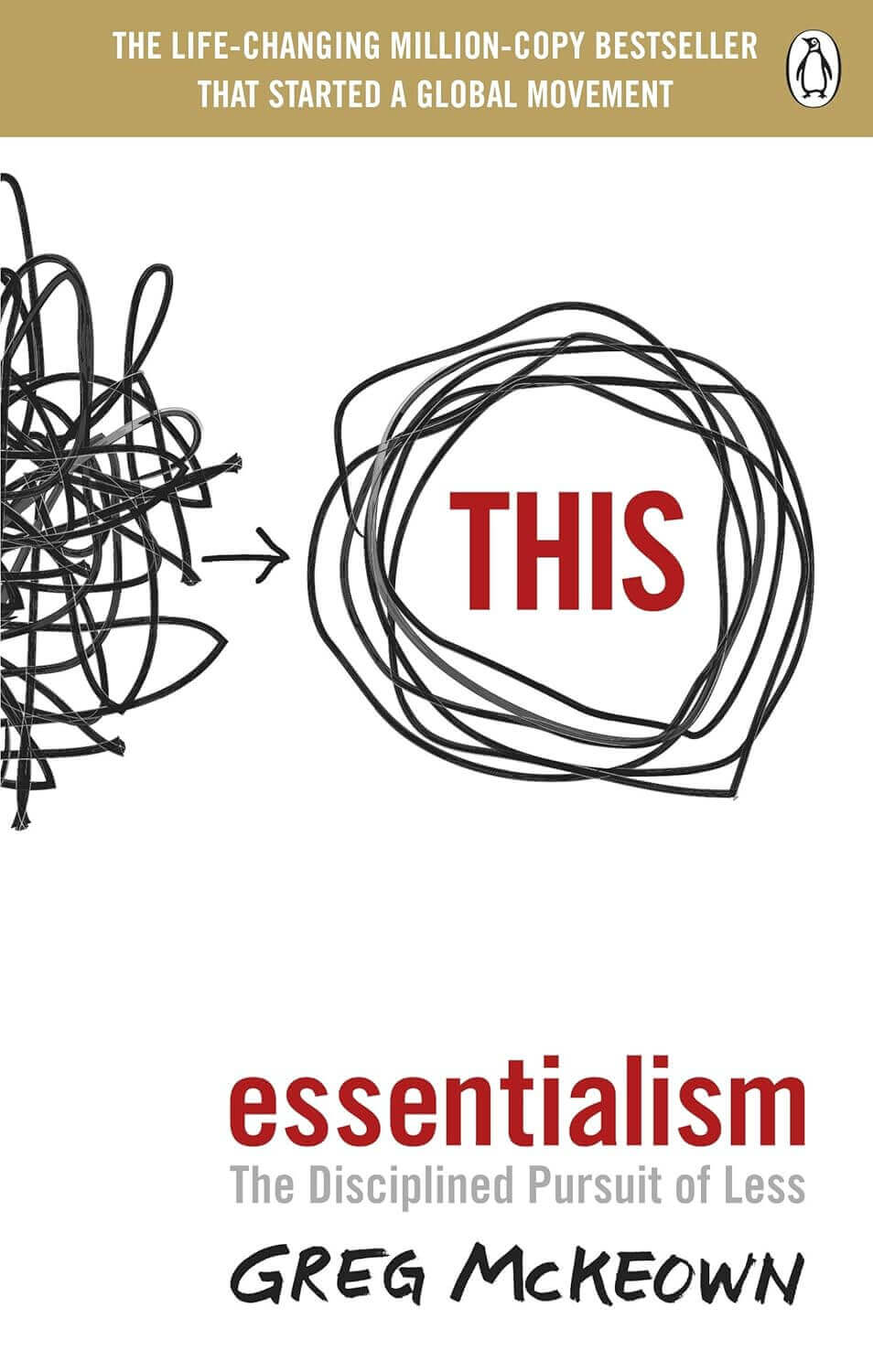
If your goals keep multiplying, you’re not “driven”, you’re scattered. Been there, done that, bought the t-shirt! This book is a slap in the face for people who keep saying yes, then wonder why nothing happens, nothing moves, no results. This book helps you choose one priority that actually matters, and cut the rest without negotiating with your ego. Yes, you can (almost) do it all, but certainly NOT at the same time.
Read it if: you’ve got ten goals and zero traction, and you keep mistaking busyness for progress.
Skip it if: you want a trick that lets you keep everything. It won’t, get over it!
Best takeaway: pick one outcome for the next 90 days, then cancel or delay three commitments that compete with it.
2
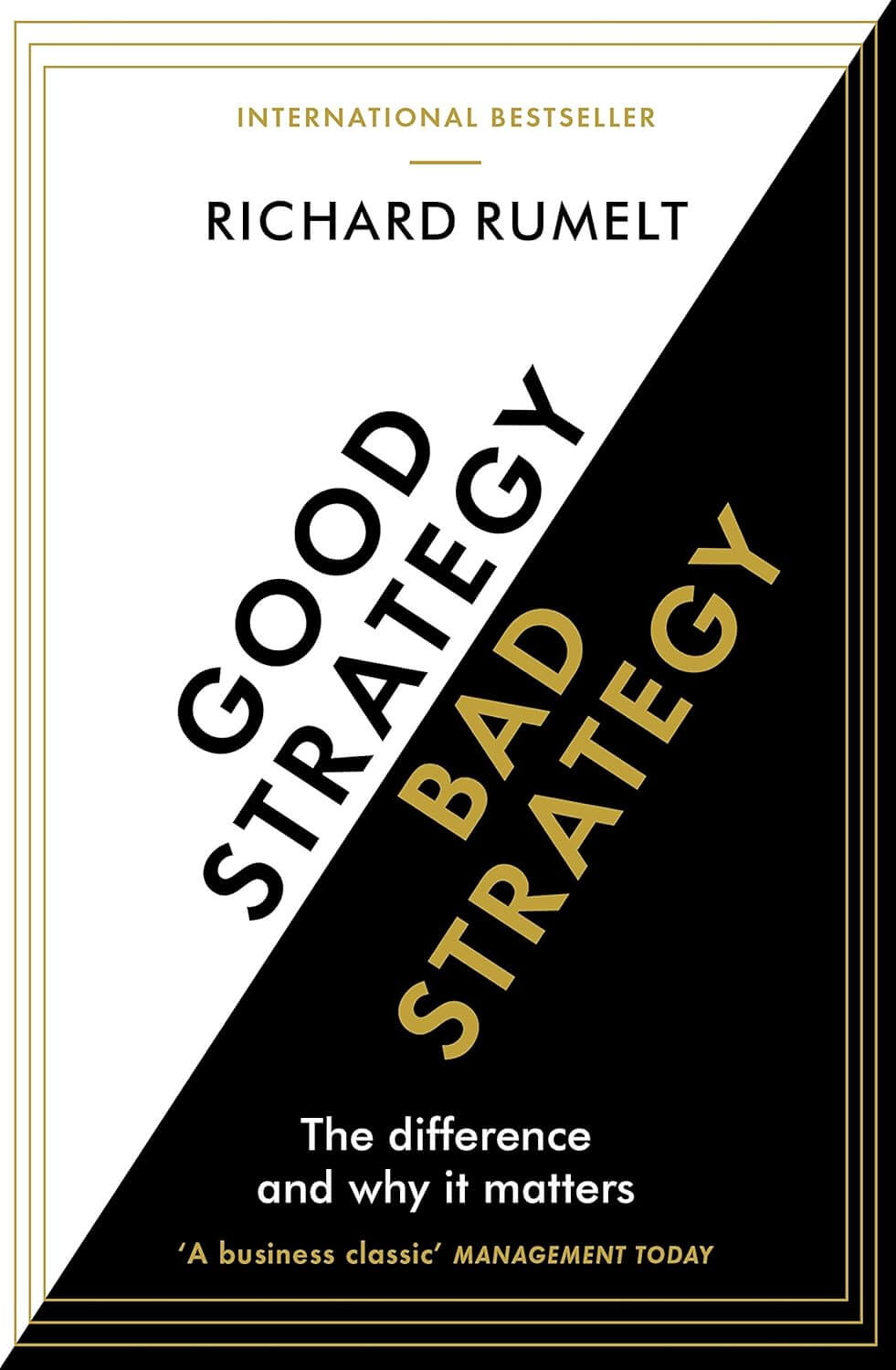
Most goals are just vague statements you call a plan. This book teaches you the difference between a slogan and a strategy. If you can’t explain what’s actually going on, what you’re going to do about it, and what you’re going to stop doing, you don’t have a plan. You have optimism. Stop. Well, unless “nowhere” is a great place for you to go, read this book.
Read it if: you’re bored of grand ambitions with zero decisions behind them.
Skip it if: you want motivation. Just for the record, I’ve banned the word “motivation” in my private practice for a reason. This book gives you the opposite: diagnosis, choices, and consequences.
Best takeaway: write a one-paragraph strategy: the real problem, your focus, and 3 actions this week that prove it. By “prove it”, I mean you actually have to do it, just saying.
3
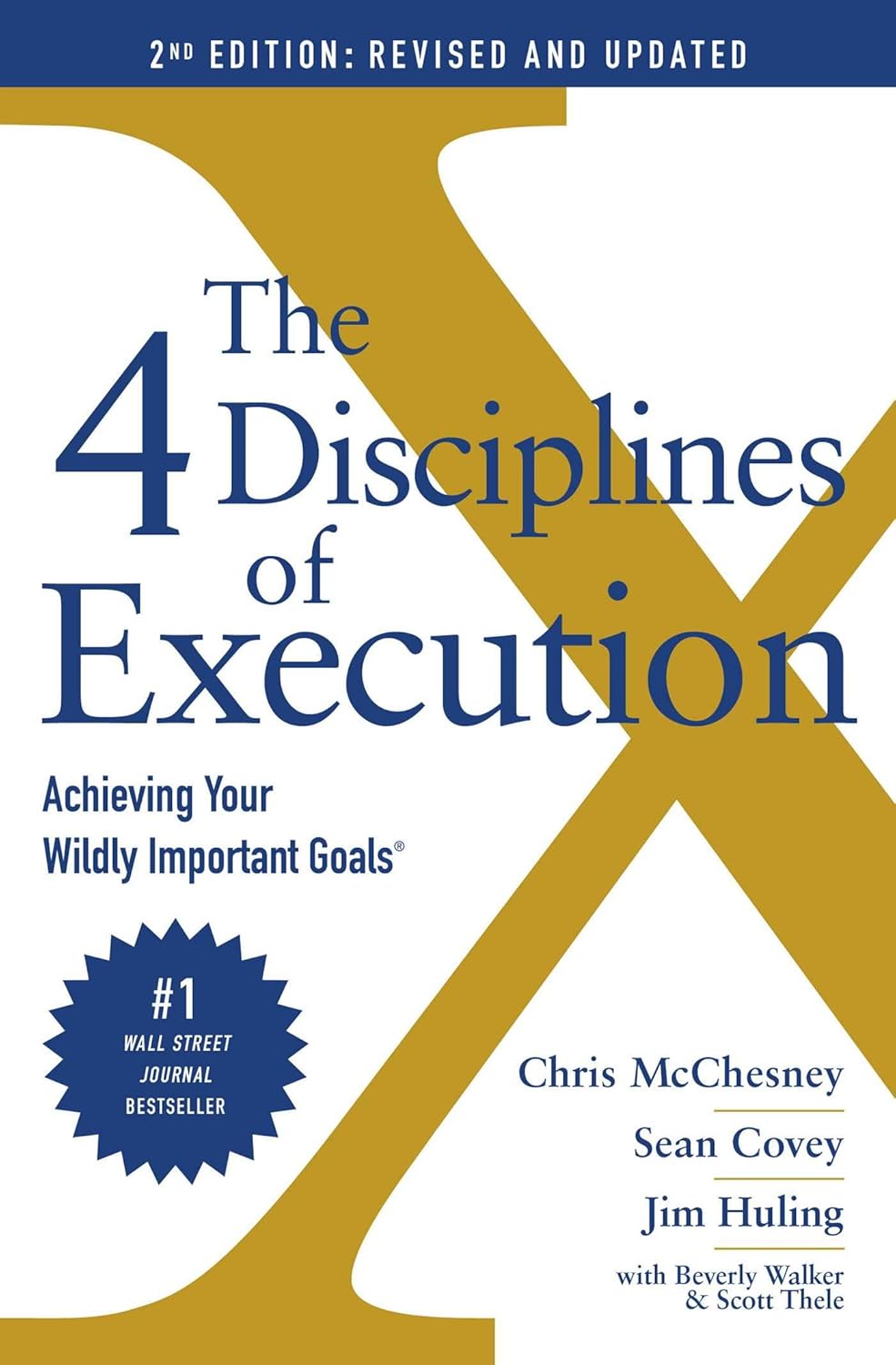
If you’ve ever started strong and then disappeared into life, this is why. Execution dies from distraction, not laziness. 4DX is a blunt system for staying focused when everything else is screaming for attention (AKA antisocial media, Numbflix, and whatnot). It turns goals into weekly behaviours you can track, and it forces accountability (magic word!).
Read it if: you’re serious, but inconsistent.
Skip it if: you hate structure and want “freedom”. You’ll keep drifting my dear.
Best takeaway: define one “wildly important goal” and two lead measures, then review them every week like it’s non-negotiable. Remember: keep it small, don’t be greedy!
4
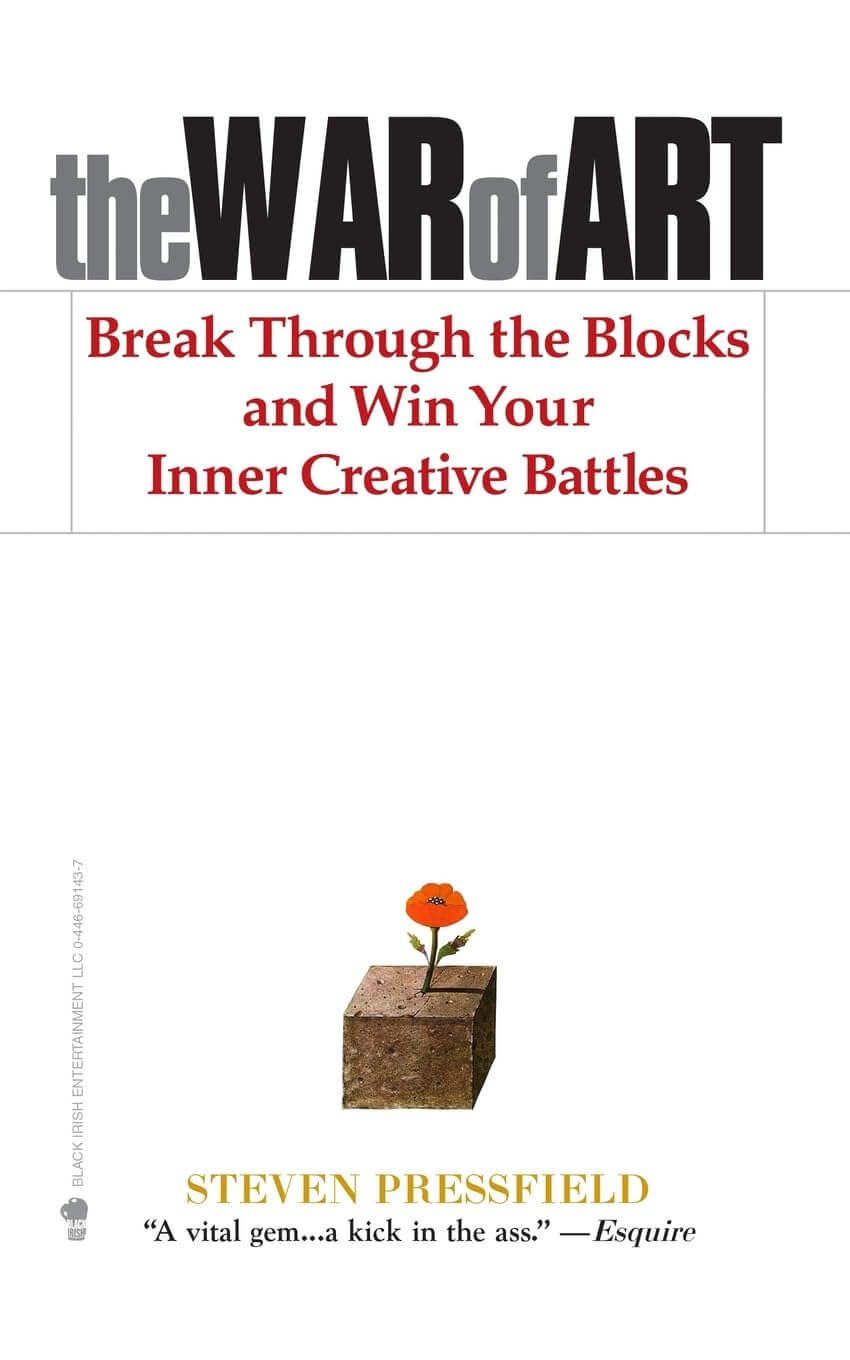
This book goes straight for the very thing that ruins goals. AKA Your resistance. AKA your inner saboteur. The voice that makes you delay, overthink, perfect, and postpone until the goal feels embarrassing. Pressfield doesn’t comfort you. Good. He calls you out and tells you to work like a professional.
Read it if: you keep “getting ready” instead of doing the work.
Skip it if: you need kindness first. This is tough love (and you need some).
Best takeaway: set a daily start time, show up no matter what, and treat mood as irrelevant data. Like Leila Hormozi puts it: “fuck your mood, stick to your plan”.
5
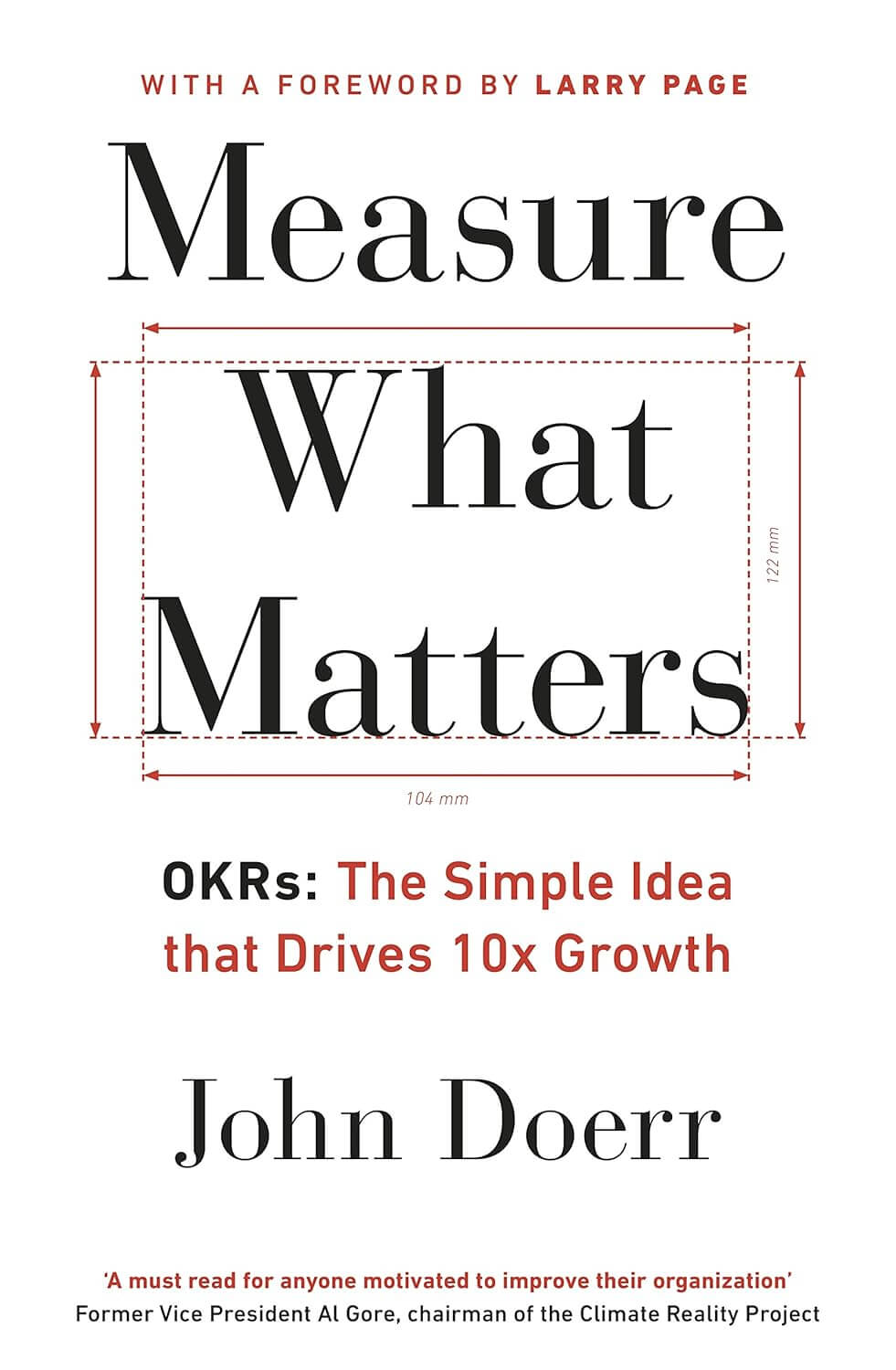
If you can’t measure it, you’re just hoping. A lot of people panic at the idea of measuring anything related to their goals. I get it. Some goals sit on sensitive ground, for personal reasons. If tracking triggers anxiety, don’t brute-force it, start by working through that discomfort and what’s underneath it (think: tracking results in body training, or the number of words written in the draft of your first book). But sooner or later, you’ll still need a way to measure your actions and results. Otherwise everything stays vague, and you’ll never build anything tangible and lasting, because you’ll end up acting around your fears instead of around reality. Now, this book is a practical case for OKRs: define the objective, define the measurable results, review them, adjust, repeat. Perfect framing.
Read it if: you keep working hard but can’t prove you’re moving.
Skip it if: you use metrics to punish yourself (like I said before). You’ll turn it into a whip. If that’s you, deal with the anxiety first, then come back to measurement with a steadier head.
Best takeaway: write one objective and 3 key results with numbers and deadlines, then check them weekly.
6
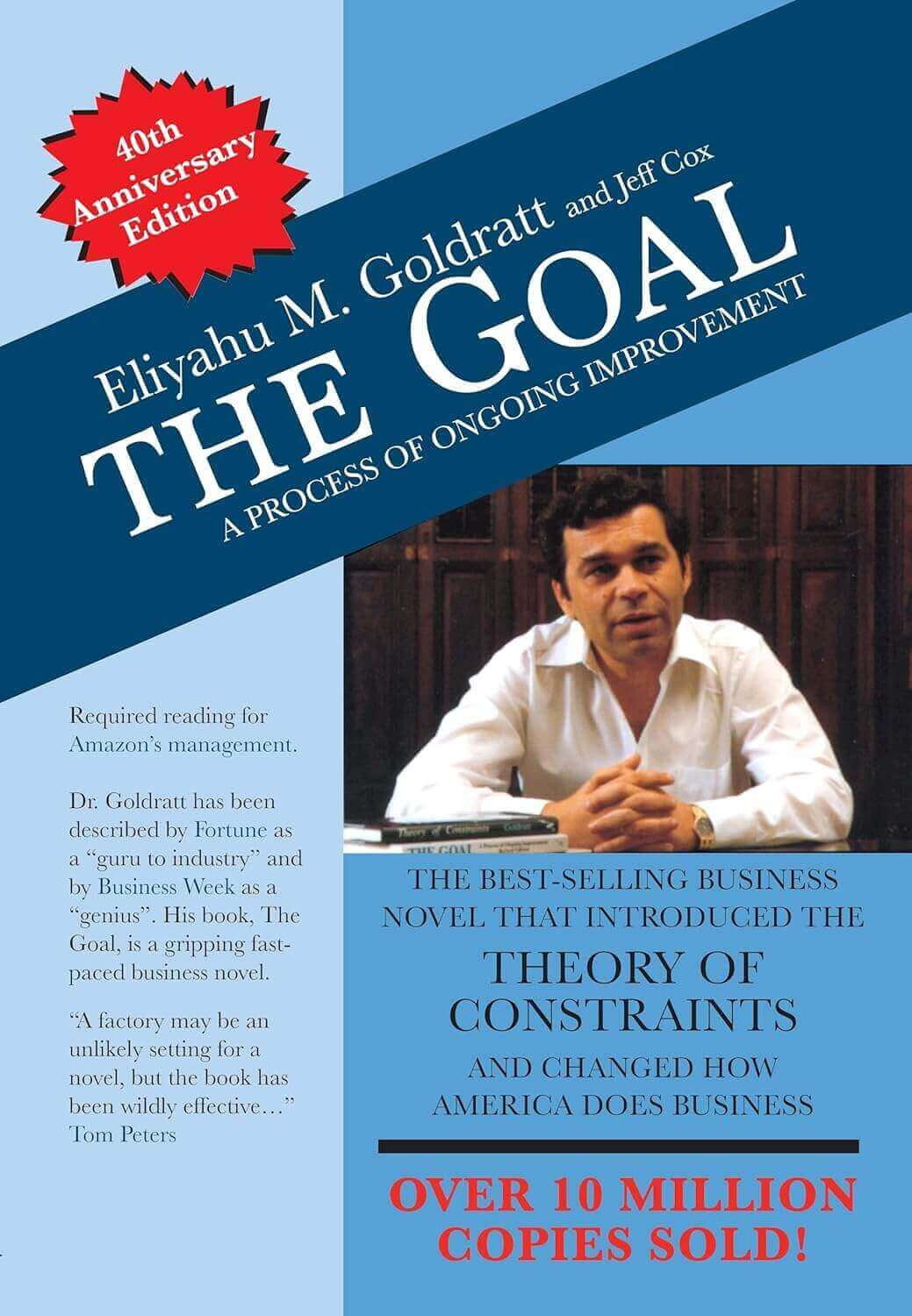
A lot of goals fail because you optimise the wrong thing. This book is a story-driven introduction to the Theory of Constraints that shows you how to spot what’s really limiting your progress, focus on that bottleneck, and improve the whole system instead of working harder in the wrong places. The lesson is ruthless: your progress is constrained by the weakest link, not your effort. This is peak efficiency, because so often you waste shocking amounts of time on things that don’t move the needle. Less mindless hustle, more focus on what actually matters.
Read it if: you’re busy, stressed, and still stuck.
Skip it if: you want quick hacks. This is about how things actually work.
Best takeaway: identify your single biggest constraint, then redesign your week around relieving it.
And that’s a wrap.
Don’t try reading all six. That’s just procrastination dressed up as “self-improvement”. Pick the one that targets your weak spot at this very moment, finish it, then apply one idea for the next seven days. If you can’t point to something you did differently, you didn’t read a book, you just chased a hit of inspiration.
If you want more book lists and ideas like this, and you want them in your inbox before they hit the blog, subscribe to the email list here.
P.S. Gangatu shares things genuinely liked and think you might, too. If you buy through an external link, a commission may be earned at no extra cost to you.

Noemi Lozar
Psychologist and writer exploring what drives your thoughts, feelings and choices. Clear guidance for people who want real change.