
You can understand attachment theory perfectly and still keep choosing unavailable partners, panicking when someone pulls away or losing interest the moment intimacy becomes real.
The problem is that knowing your attachment style doesn’t automatically explain why your relationships follow the same pattern. That’s just a label. You need to understand how fear, dependency, emotional regulation, desire and early relationships shape the way you connect with other people.
This selection of the best books on attachment theory goes beyond simplified descriptions of secure, anxious and avoidant attachment. I selected each book to offer a different way to understand adult attachment, relationship patterns, fear of intimacy and recurring conflict.
Some will help you understand where your patterns began. Others focus on romantic relationships, emotional distance or the loss of desire over time.
My aim was simple: to help you choose the book that addresses the problem you are actually trying to understand.
I only share things I genuinely like and think you might like too. Some external links are affiliate links, which means I may earn a commission at no extra cost to you.
What is attachment theory?
First things first, basic theory: attachment theory explains how early relationships shape the way people experience closeness, dependence, separation and emotional safety.
The first bonds with caregivers (usually your parents) help organise expectations about whether other people will be available, responsive and reliable. Over time, these expectations can influence adult attachment, romantic relationships and the way people react to conflict, distance or intimacy.
Attachment patterns are often described as secure, anxious, avoidant or disorganised. These categories can be useful, but they are not fixed identities let alone diagnoses. People may respond differently depending on the relationship, the level of threat they perceive and the emotional experiences they have had since childhood.
Understanding attachment theory can help you recognise recurring relationship patterns, but identifying a style is only the beginning. A deeper work involves understanding what activates your defences, what closeness means to you and how those patterns affect the people you choose and the relationships you build.
The 6 best books on attachment theory:
1
Why does desire often fade once a relationship feels secure?
Stephen A. Mitchell explains how intimacy can activate fears of dependence, rejection and loss. To avoid that vulnerability, people may retreat into routine, idealise unavailable partners or make the relationship so predictable that desire has no room to survive.
This book helps you understand why you can love someone and still contribute to the emotional stagnation of the relationship. It does not offer quick fixes. It shows you what may be happening underneath the loss of excitement.
Read it if: your relationship feels safe but flat, or closeness has started to feel restrictive rather than intimate.
Skip it if: you want practical exercises, attachment-style labels or a simple repair formula.
Best takeaway: when you remove all uncertainty and vulnerability from love, you may also remove what keeps desire alive.

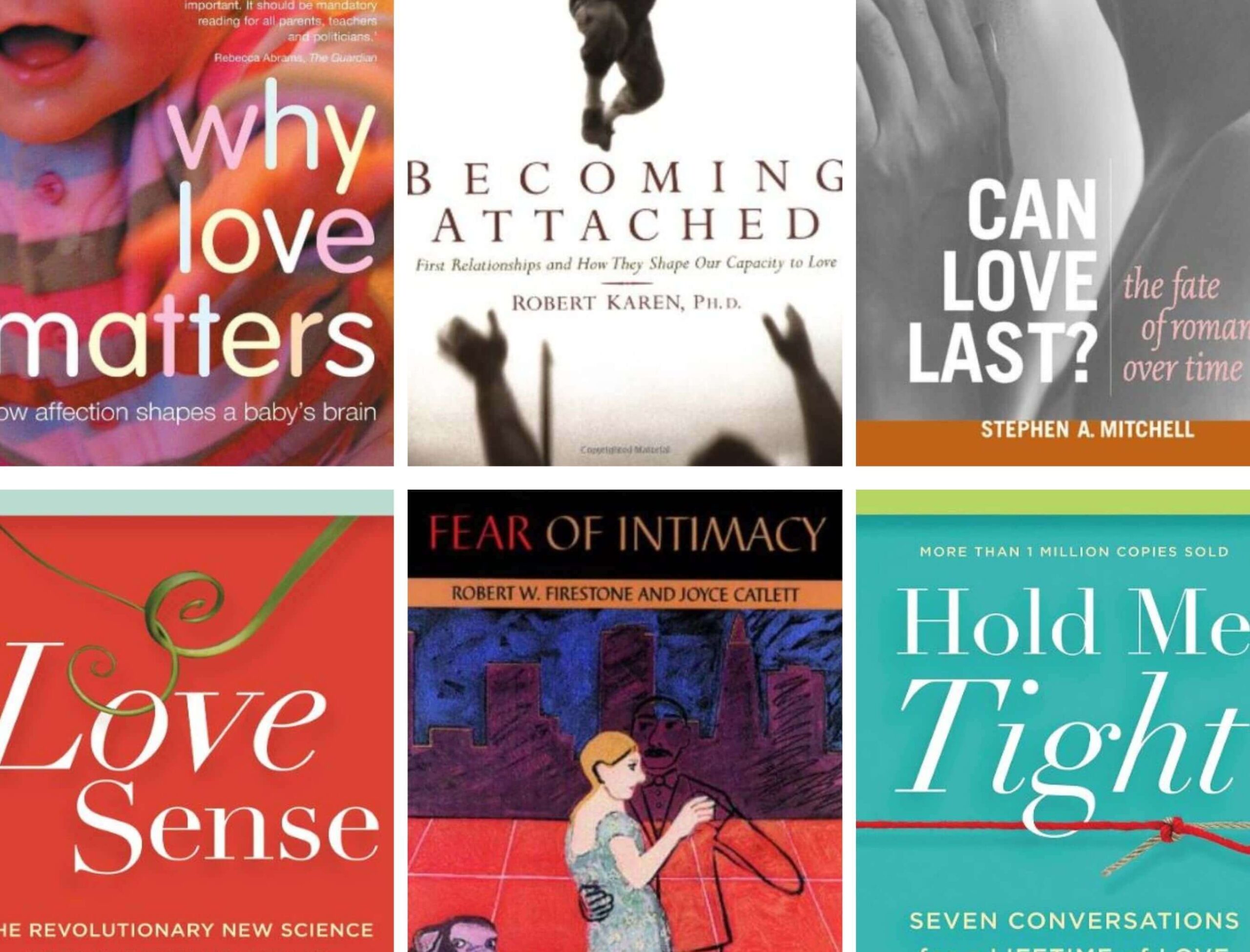
2
Why do some relationships feel safe while others make trust, dependence and closeness so difficult?
Robert Karen explains where attachment theory came from and how early relationships shape what you expect from love. The book helps you understand how childhood experiences can influence adult intimacy without turning your attachment pattern into a permanent identity.
Read it if: you want a serious foundation for understanding why trusting, depending on or feeling secure with other people may be difficult for you.
Skip it if: you only want to identify your attachment style or find quick advice for a current relationship problem.
Best takeaway: early relationships shape your expectations of love, but they don’t determine your future.
3
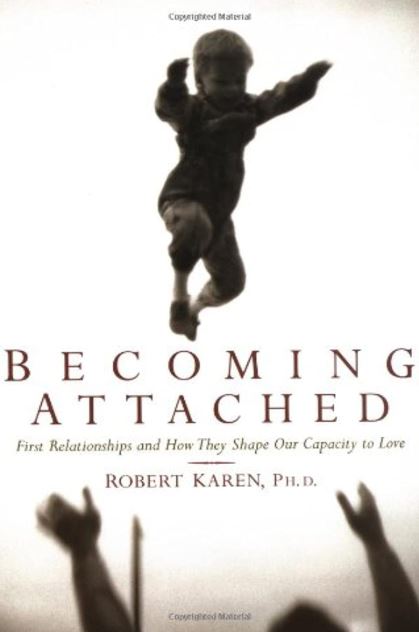
Why do you pull away, lose interest or create conflict when someone finally treats you well?
Firestone and Catlett explain how old defences can make closeness feel threatening. This book helps you recognise the internal beliefs that tell you love is unsafe, dependence is weak or rejection is inevitable.
It offers a deeper explanation of relational self-sabotage than simply calling someone avoidant.
Read it if: you choose unavailable partners, distrust affection or damage relationships once they become emotionally serious.
Skip it if: you want a light introduction or a book organised around the four attachment styles.
Best takeaway: receiving love can feel dangerous when it challenges the identity and emotional rules you formed in childhood.
4
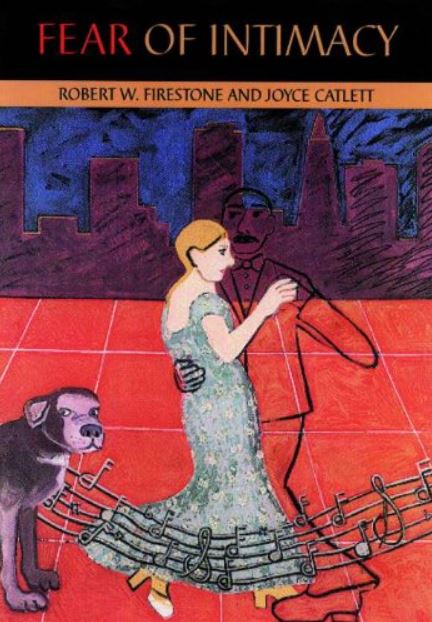
Why can a delayed reply, a cold tone or a small disagreement trigger such an intense reaction?
Sue Johnson explains how romantic relationships function as attachment bonds. This book helps you understand the fear beneath criticism, jealousy, defensiveness and withdrawal, and why couples become trapped in repetitive cycles of pursuit and distance.
It is especially useful if you want to understand what is happening beneath recurring conflict before trying to fix it.
Read it if: you want to understand why disconnection from your partner feels so threatening and why the same arguments keep returning.
Skip it if: you want a deeper exploration of sexuality, fantasy or unconscious partner choice.
Best takeaway: many arguments are attempts to find out whether your partner will be emotionally available when you need them.
5
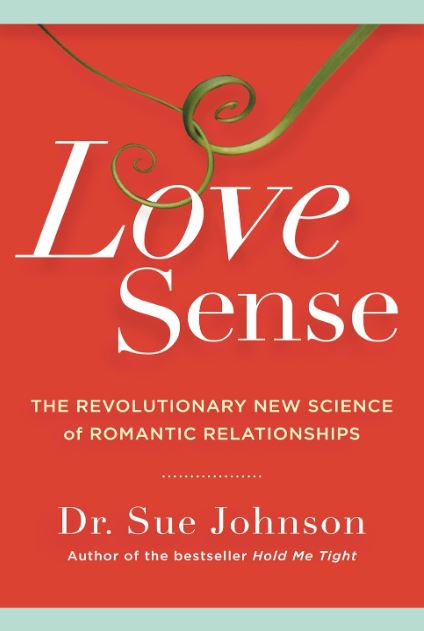
Why do you keep arguing about the same things without ever resolving the real problem?
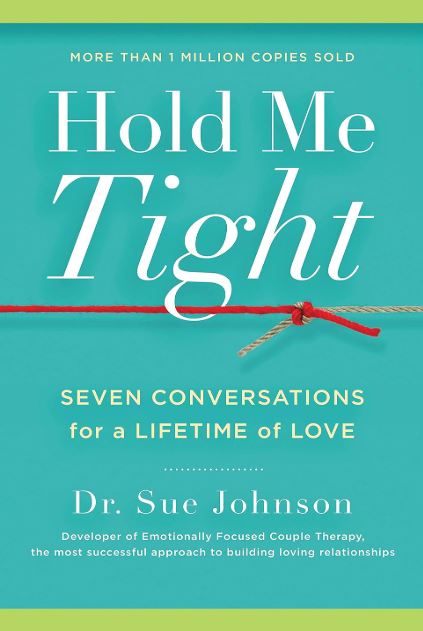
Hold Me Tight helps couples identify the cycle that takes control when both partners feel rejected, unimportant or emotionally unsafe. Its conversations and exercises help you move beyond blame and speak more directly about what you fear and need.
This is the most practical book in the selection for couples who want to work on an existing relationship.
Read it if: your relationship is stuck in recurring conflict, emotional distance or cycles of criticism and withdrawal.
Skip it if: you are mainly trying to understand dating patterns, partner selection or attraction to unavailable people.
Best takeaway: the cycle is often the problem. When you recognise it, you can stop treating your partner as the enemy.
6
Why do some emotional reactions feel so immediate, physical and difficult to control?
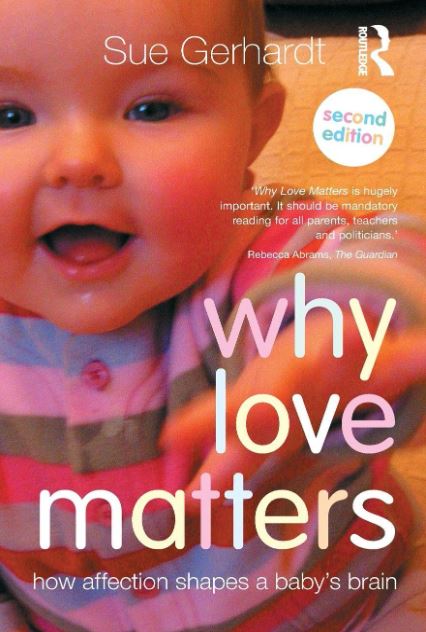
Sue Gerhardt explains how emotional regulation begins in the relationship between a baby and their caregivers. The book helps you understand why stress, dependence and closeness may affect you at a bodily level, even when you rationally know that you are safe.
It provides the developmental foundation beneath many later attachment patterns.
Read it if: you want to understand where emotional regulation begins and why relationship difficulties can feel deeper than conscious thoughts or choices.
Skip it if: you want direct advice about dating, marriage or repairing a current relationship.
Best takeaway: emotional regulation first develops between people. What later feels private and individual has relational origins.
For a broader selection covering love, communication and long-term relationships, explore these 9 best relationship books to understand love and attachment.
Which attachment theory book should you read first?
Choose according to the problem that is most important to you at this moment:
- Start with Becoming Attached if you want a solid foundation in attachment theory.
- Choose Fear of Intimacy if you pull away from closeness or sabotage relationships that matter.
- Read Love Sense if you want to understand recurring conflict and emotional disconnection in couples.
- Choose Hold Me Tight if you want practical conversations and exercises to work through those patterns with your partner.
- Read Can Love Last? if your relationship feels secure but desire, vitality or emotional intensity have faded.
- Choose Why Love Matters if you want to understand the developmental roots of emotional regulation and attachment.
Frequently asked questions about attachment styles and relationships
What is the best book on attachment theory for beginners?
Becoming Attached by Robert Karen is the strongest starting point if you want to understand the origins of attachment theory and how early relationships can influence later intimacy, trust and emotional dependence.
What is the best attachment theory book for couples?
Hold Me Tight by Sue Johnson is the most practical option for couples who want to understand recurring conflict, emotional distance and the interactional cycles that keep them stuck.
How do attachment styles affect romantic relationships?
Attachment patterns can influence how people respond to closeness, distance, conflict and dependence. Someone may pursue reassurance when they feel insecure, withdraw when intimacy becomes overwhelming or struggle to trust that their partner will remain emotionally available.
Can attachment patterns change over time?
Yes. Attachment patterns are not fixed identities. New relationships, therapy, emotional experiences and developing a greater awareness can influence how a person responds to intimacy, dependence and conflict.
Are attachment styles a diagnosis?
No. Attachment styles are frameworks used to understand patterns of relating to others. They are not psychiatric diagnoses and shouldn’t be treated as permanent personality categories.
Understanding your attachment patterns is only the beginning
Recognising why you chase unavailable people, panic when someone pulls away or shut down when intimacy deepens can bring clarity. But insight alone won’t stop the same pattern from taking over your next relationship.
Inside Gangatu’s email list, you’ll find psychologically grounded content to help you understand what drives your choices, recognise the patterns you keep repeating and make clearer decisions before another relationship follows the same script.
Join the email list to go beyond attachment labels and understand the unknown forces influencing how you love, depend, withdraw, avoid and choose.
Get instant access here: